The Difference Between Scottish and Irish Kilts : The Evolution of Kilts for Men

Kilts, the iconic and culturally significant garments, have been an integral part of both Scottish and Irish heritage for centuries. These traditional attires, worn exclusively by men, hold deep-rooted historical value and continue to be symbols of national pride and identity. While they share some similarities, the Scottish and Irish kilts also have distinct features that set them apart. In this article, we will explore the history, evolution, and differences between the traditional irish clothing and scottish highland attire, shedding light on their enduring significance.
Historical Roots of Scottish and Irish Kilts
Scottish Kilts
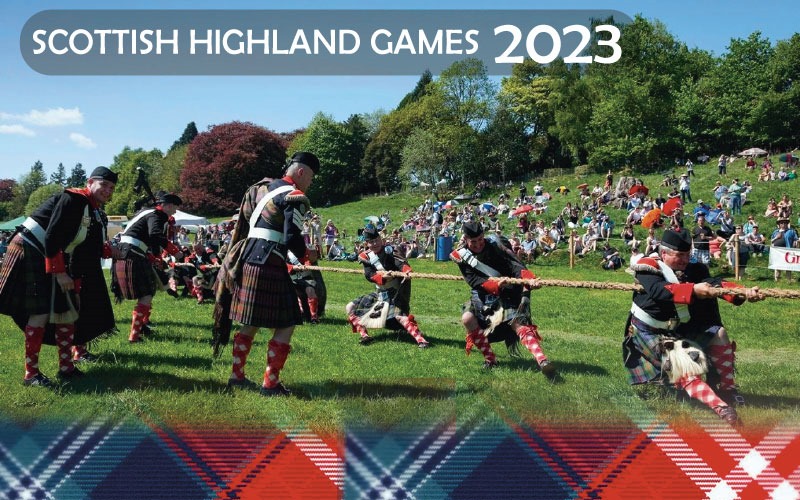
The history of the Scottish kilt can be traced back to the early medieval period. Originally, the Highland clansmen of Scotland wore a simple, practical garment known as the "féileadh beag," which was a precursor to the modern kilt. The féileadh beag was a large piece of cloth that was wrapped around the waist and held in place with a belt. Over time, the kilt evolved to include pleats at the back, which provided freedom of movement and comfort for the wearer. The distinctive tartan patterns, representing specific clans, became a prominent feature of Scottish kilts, symbolizing loyalty and kinship.
Irish Kilts
The history of the Irish kilt, often referred to as the "léine," is less well-known than its Scottish counterpart. The léine was an ancient garment worn by both men and women in Ireland. It was a long tunic-like robe made from linen and was typically belted at the waist. As time passed, the léine evolved into the "féileadh mòr," a great kilt. The féileadh mòr was a large piece of fabric, usually solid-colored, that could be worn as a full-length garment or adjusted into a shorter kilt-like style. Unlike Scottish kilts with their tartan patterns, Irish kilts lacked specific clan affiliations and emphasized simplicity and functionality.
The Evolution of Kilts for Men
Scottish Kilts Evolution
Scottish kilts have undergone significant changes over the centuries. Initially, they were primarily practical garments used by Highlanders for daily activities and protection against the harsh climate. However, during the 18th and 19th centuries, kilts gained popularity as symbols of Scottish identity and nationalism. In modern times, kilts for men have become more accessible and versatile, with various fabrics and styles catering to contemporary fashion and comfort preferences.
Irish Kilts Evolution
The evolution of the Irish kilt has been less pronounced compared to its Scottish counterpart. While the féileadh mòr remains a symbol of Irish heritage, it is not as widely recognized as the Scottish kilt. Efforts have been made to revive and preserve the traditional Irish kilts, but they have not achieved the same level of mainstream popularity as Scottish kilts. However, there is a growing appreciation for the léine and féileadh mòr as cultural artifacts, with some individuals and groups actively promoting their use in traditional Irish events and festivals.
The Differences between Scottish and Irish Kilts
Tartan Patterns vs. Solid Colors
The most noticeable difference between Scottish and Irish kilts lies in their design. Scottish kilts are characterized by their vibrant tartan patterns, each representing a specific clan. In contrast, Irish kilts are typically solid-colored, reflecting a more straightforward and functional approach to design.
Belt and Buckle vs. Beltless Design
Another key distinction is the method of fastening the kilt. Scottish kilts are secured with a leather belt and a decorative buckle, positioned on the left side. Irish kilts, on the other hand, traditionally do not use a belt and instead rely on tucking the excess fabric into the waistband or using a separate leather belt known as a "cuaran" to secure the garment.
Length and Construction
Scottish kilts are usually knee-length and feature pleats at the back, giving them a distinctive and voluminous appearance. In contrast, Irish kilts, like the féileadh mòr, are generally longer and can be adjusted to full-length or shorter styles. The féileadh mòr is a large piece of fabric that can be draped and wrapped around the body, offering versatility in wear.
Conclusion
In conclusion, Scottish and Irish kilts share a common historical background, yet they have evolved along different paths, leading to distinct designs and cultural significance. Scottish kilts, with their colorful tartan patterns and regimented designs, have become iconic symbols of Scottish heritage. Meanwhile, Irish kilts, represented by the féileadh mòr and léine, exemplify simplicity and functionality, preserving an essential aspect of Irish cultural heritage. Despite their differences, both kilts continue to hold deep cultural meaning and serve as enduring symbols of national identity, connecting wearers with their rich historical roots. Whether worn in formal occasions, cultural events, or daily life, both Scottish and Irish kilts continue to stand as proud emblems of tradition, heritage, and masculinity for men.